
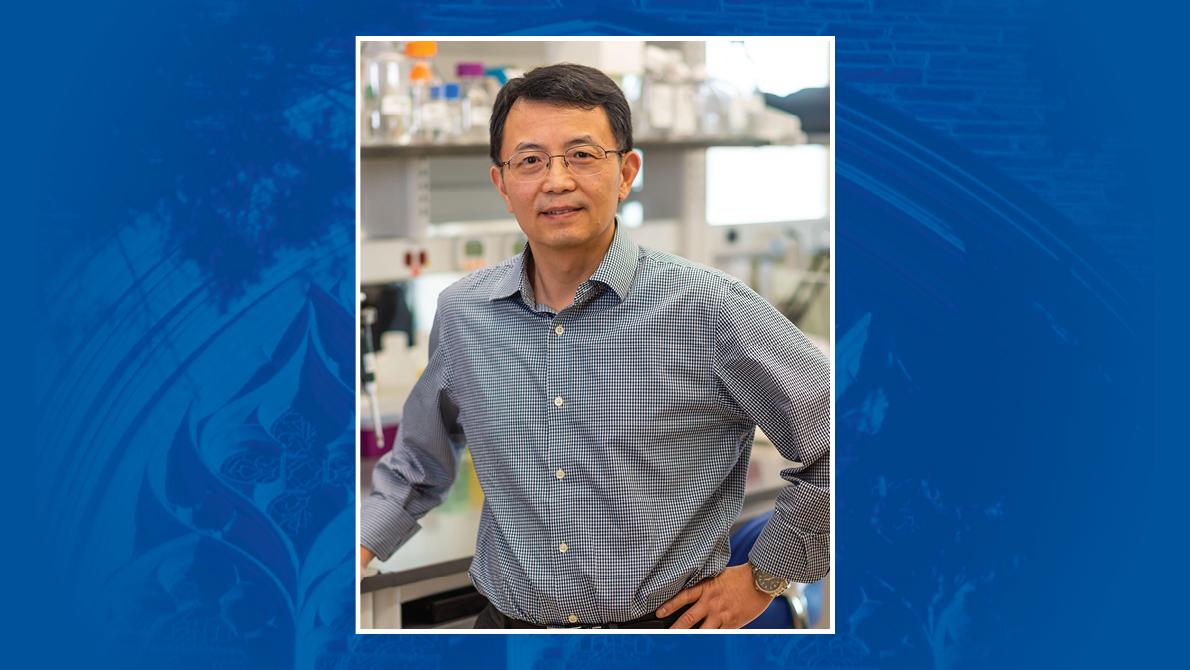
The National Institutes of Health’s National Institute of Diabetes and Digestive and Kidney Diseases has awarded Duke Anesthesiology’s Ru-Rong Ji, PhD, William Maixner Distinguished Professor of Anesthesiology, a four-year $3,503,160 R01 grant for his project titled, “Glial Neuronal Crosstalk in Neuropathic Pain and Diabetes.”
“I am very pleased to receive this significant grant, which provides vital momentum to our mission of discovering groundbreaking therapies for individuals living with diabetic peripheral neuropathy,” says Ji, director of Duke Anesthesiology’s Center for Translational Pain Medicine and the Sensory Plasticity and Pain Research Laboratory.
Neuropathic pain from nerve injury, chemotherapy, and diabetes is a chronic condition that affects millions and remains difficult to treat due to limited therapeutic options. Mitochondrial dysfunction and lipid oxidative stress have been implicated in neurodegeneration, ferroptosis and neuropathic pain.
Ji’s study will investigate how mitochondrial transfer from satellite glial cells to sensory neurons protects against neuropathic pain and how impaired transfer contributes to diabetic neuropathy in mouse and human disease models.
This research includes two specific aims: 1) examine the role of SGC-neuron mitochondrial transfer in health and neuropathic pain after nerve injury and diabetes in mice, and 2) investigate mitochondrial transfer from satellite glial cells to sensory neurons in human dorsal root ganglia (DRG) in health and diabetes. Ji and investigators will employ high-resolution spatial transcriptomics to delineate gene regulatory networks in human DRG neurons and glial cells and to identify dysregulated pathways associated with diabetic neuropathy. They propose a multidisciplinary approach that combines scanning and transmission electron microscopy, calcium imaging, adoptive transfer of glial cells and mitochondria, and measurements of evoked and spontaneous pain.
Successful completion of this study will yield novel mechanistic insights into neuroglial interactions in neuropathic pain and identify potential therapeutic targets for neuropathic pain and diabetic neuropathy.