
Research in Anesthesiology
The following list includes the Duke Anesthesiology faculty who have worked with students for their Third-Year research in the past 10 years. Additionally, please see the last page for a list of departmental faculty who have already been approved to work with students for Third Year research projects.

Dr. Mara Serbanescu
The Duke Anesthesiology Microbiome Profiling Laboratory (Duke AMP Lab), directed by Dr. Mara Serbanescu, is a clinical-translational research group studying how the microbiome shapes immune responses and clinical outcomes in critically ill and surgical patients. In severe stress states such as sepsis, major surgery (such as transplantation), and critical illness, microbes and their signals can reprogram immune cells at distant sites, contributing to complications including organ failure, delirium and cognitive dysfunction, and subsequent infection. Combining patient biospecimen research, systems biology, and model systems, we aim to define microbiota-driven mechanisms of injury and identify new biomarkers and therapeutic targets. Students in our multi-year ICU and liver-transplant study help with enrollment, consent, sample processing, molecular assays, and scientific writing. Please refer to our lab website for more information: https://anesthesiology.duke.edu/research/serbanescu-lab.
Contact: mara.serbanescu@duke.edu
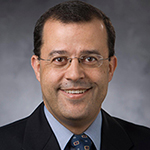
Dr. Ashraf Habib
Dr. Habib’s research interests include enhanced recovery after surgery including cesarean delivery, optimizing labor analgesia and postoperative outcomes, such as postoperative pain and postoperative nausea and vomiting, persistent pain after surgery and optimizing hemodynamic management of women undergoing cesarean delivery.
Contact: ashraf.habib@duke.edu
Previous students:
- 2025-2026: Allison Dear, Mindy Kim
- 2023-2024: Hannah Zang and Allie Bickett
- 2022-2023: Andrew Padilla and Romel Holmes
- 2021-2022: Nicole Zanolli
- 2020-2021: Camille Mims
- 2018-2019: Emily Barney and Sydney Reed
- 2017-2018: Brock Gamez and Remi Ojo
- 2014-2015: Seyi Adesope

Dr. Ian Welsby
As a practicing cardiothoracic anesthesiologist, Dr. Welsby’s research interests focus on perioperative transfusion and hematology concerns. He also has a longstanding interest in the rejuvenation of red blood cells (RBC) to normalize oxygen delivery capacity of transfused RBCs. Such a development will be of tremendous importance to transfusion practice, particularly for highly transfused populations and with current threats to blood banking inventory.
Contact: ian.welsby@duke.edu
Previous students:
- 2024-2025: Aidan Murray
- 2023-2024: Thomas Wise
- 2018-2019: Brooke Evans
- 2017-2018: Andrea Ansari and Reed Kamyszek
- 2016-2017: Amundan Jay Srinivasan

Dr. Paul Wischmeyer
As a critical care, perioperative and nutrition physician-researcher, Dr. Wischmeyer’s research interests focus on enhancing preparation and recovery from surgery, critical care and COVID-19. These topics include surgical and ICU nutrition and exercise rehabilitation; role of parenteral, enteral and oral nutrition to improve patient outcomes; perioperative optimization; post-illness muscle mass and functional recovery; and probiotics/microbiome. His research interests have recently been focused on COVID-19 research into COVID-19 metabolism, role of probiotics in COVID19 prevention and treatment, and exercise and nutrition programs to recover from COVID-19 and Long COVID-19.
Contact: paul.wischmeyer@duke.edu
Previous students:
- 2023-2024: Trevor Sytsma
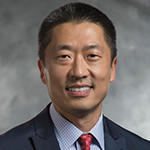
Dr. Peter Yi
Dr. Yi’s research is focused on examining postoperative pain outcomes within certain patient populations. Currently, he is examining radiofrequency ablation procedures targeting nerves innervating large joints. In particular, he’s studying patient outcomes after ablation of the genicular nerves of the knee joint and evaluating pain, functional outcomes and overall impression of improvement. He also plans to look at similar measures from patients who have undergone this procedure at the hip and shoulder joints.
Contact: peter.yi@duke.edu
Previous students:
- 2022-2023: Alejandro Carruyo
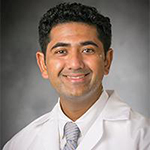
Dr. Vijay Krishnamoorthy
Dr. Krishnamoorthy’s research interests focus on critical care in traumatic brain injury and population health/informatics in perioperative and critical care medicine. For further information on perioperative medicine, critical care and neuroscience (neurocritical care and traumatic brain injury in particular), please visit the following website: https://anesthesiology.duke.edu/research/cape
Contact: vijay.krishnamoorthy@duke.edu
Previous students:
- 2025-2026: Kristen Monten
- 2024-2025: Eleanor Seo
- 2021-2023: Ronald Harris
- 2020-2021: Camilo Toro
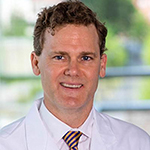
Dr. Michael “Luke” James
With a clinical background in neuroanesthesia and neurointensive care, Dr. James has a special interest in translational research in intracerebral hemorrhage and traumatic brain injuries. He has developed a murine model of intracerebral hemorrhage in the Multidisciplinary Neuroprotection Laboratories at Duke. Optimization of the model resulted in his pursuit of translatable mechanisms of modifying neuroinflammation after intracerebral hemorrhage to improve long-term functional recovery. In addition, he has used the model to evaluate the potential of several novel therapeutics for translation into human clinical trials.
Contact: michael.james@duke.edu
Previous students:
- 2020-2022: Jay Lusk
- 2020-2021: Camilo Toro
- 2011-2023: Odear Umeano
- 2008-2009: Kwame Johnson

Dr. Richard Moon
Dr. Moon’s research interests include the study of on cardiorespiratory function in humans during challenging clinical settings including the perioperative period and exposure to environmental conditions, such as diving and high altitude. His studies have included gas exchange during diving, the pathophysiology of high altitude and immersion pulmonary edema, the effect of anesthesia and postoperative analgesia on pulmonary function, and monitoring of tissue oxygenation. Ongoing human studies include the effect of respiratory muscle training on chemosensitivity and blood gases during stressful breathing: underwater exercise.
Contact: richard.moon@duke.edu
Previous students:
- 2023-2024: Taylor Yoder and Kreager Taber
- 2022-2023: Nick Barlett
- 2019-2021: Tim Beck
- 2017-2019: Tiffany Dong
- 2015-2016: Sophia Dunworth
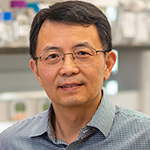
Dr. Ru-Rong Ji
The long-term goal of Dr. Ji’s lab is to identify molecular and cellular mechanisms that underlie the induction and resolution of pathological pain and develop novel pain therapeutics that can target these mechanisms with a specific focus on neuroimmune interactions. Some of his scientific questions include: (1) How does inflammation induce and resolve pain via immune cell interaction with primary sensory neurons? (2) How does neuroinflammation drive chronic pain via activation of glial cells in the CNS (microglia and astrocytes) and PNS (satellite glial cells) and regulation of sensory neuron plasticity (peripheral sensitization) and spinal cord synaptic plasticity (central sensitization)?
Contact: ru-rong.ji@duke.edu
Previous students:
- 2013-2018: Alex Chamessian (MSTP)
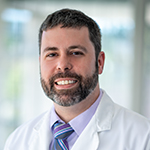
Dr. Michael Devinney
Dr. Devinney’s research uses translational neuroscience approaches, such as cerebrospinal fluid molecular assays, sleep EEG, cognitive testing, and delirium assessment to identify mechanisms of delirium. His current work aims to discover potential mechanisms of delirium that could be targeted in future studies. He is also interested in strategies that potentially protect the blood-brain barrier following surgery. Finally, he is working to extend these investigations to ICU patients, who are often more severely affected by delirium and more frequently develop long-term sequelae such as post-ICU long-term cognitive impairment. For more information about the CIPHER lab, visit his website.
Contact: michael.devinney@duke.edu
Previous students:
- 2025-2026 Kristen Monten and Sam Teshome
The following list includes Duke Anesthesiology faculty who have already been approved to work with students for Third Year research projects:

Dr. Terrence Allen
Dr. Allen is interested in preterm delivery and delivery before 37 weeks of pregnancy, given scope of the clinical problem of preterm premature rupture of membranes (PPROM), rupture of fetal membranes before 37 weeks as a leading cause of preterm delivery. Additionally, he is investigating underlying mechanisms involved in PPROM in order to develop effective therapeutic strategies.
Contact: terrence.allen@duke.edu

Dr. Heath Gasier
Dr. Gasier’s research has focused on understanding how oxidant stress impacts cellular and systems physiology. He specifically is studying how sarcopenia and gender influence these responses. He is also involved (as a co-investigator) in research testing the efficacy of a home-based, high intensity interval training program in COVID-19 critical illness and early parenteral nutrition in abdominal trauma victims.
Contact: heath.gasier@duke.edu
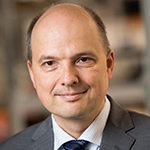
Dr. Sven Jordt
Dr. Jordt’s research focuses on the mechanisms that enable humans and animals to sense touch, pain, and irritation. These fundamental sensations originate in peripheral sensory neurons which contain signaling pathways that translate environmental physical and chemical stimuli into neural activity. His aims are to identify the molecular components of these pathways and to understand how sensory neurons become activated and sensitized during injury, inflammation, and chronic painful conditions.
Contact: sven.jordt@duke.edu
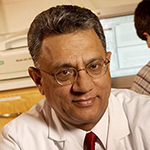
Dr. Madan Kwatra
Dr. Kwatra’s research interests focus on understanding the molecular basis of glioblastoma and inflammatory skin diseases including atopic dermatitis and prurigo nodularis. Within this line of inquiry, the emphasis is on understanding how these diseases alter the function of G protein-coupled receptors.
Contact: madan.kwatra@duke.edu

Dr. Katherine Martucci
Dr. Martucci is a neuroscientist who specializes in human clinical research of chronic pain, reward and motivation behaviors, sensory and acute pain perception, and opioid use and addiction. She serves as the director of the Human Affect and Pain Neuroscience Lab which uses a combination of neuroimaging techniques, including functional magnetic resonance imaging of the brain and cervical spinal cord, as well as sensory, behavioral and psychological tests to study acute and chronic pain in humans.
Contact: katherine.martucci@duke.edu
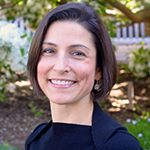
Dr. Andrea Nackley
Dr. Nackley’s lab focuses on chronic pain, which remains as one of our nation’s most significant healthcare problems due to a limited understanding of the underlying genetic and environmental factors.
There are three main objectives of her lab’s research in this area:
- To determine the factors that put some people, but not others, at risk for maladaptive chronic pain conditions.
- To elucidate the mechanism(s) whereby genetic, biological, and environmental factors drive chronic pain.
- To improve pharmacologic management of pain.
Contact: andrea.nackley@duke.edu
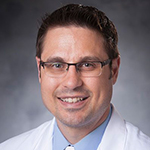
Dr. Jamie Privratsky
Dr. Privratsky’s research interests involve investigating strategies to treat postoperative and critical illness acute kidney injury (AKI) and prevent its transition to chronic kidney disease. In pre-clinical studies, he investigates mechanisms of injury and repair in mouse models of AKI. He has a particular interest in the role of myeloid cells in acute kidney injury and recovery as well as mitochondrial function and cellular metabolism during AKI. He also participates in epidemiologic studies in humans to better understand mechanisms of post-surgical and critical illness AKI.
Contact: jamie.privratsky@duke.edu
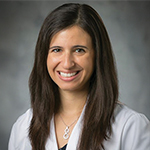
Dr. Lisa Einhorn
Acute pain management in pediatrics is associated with numerous age-specific complexities, and unfortunately, many interventions that are easily accessible in adults remain out of reach for children due to lack of clinical knowledge and missing pharmacologic data. Thus, Dr. Einhorn is passionate about advancing the understanding of existing and novel analgesics to provide safe, effective and precision therapeutics for children in the perioperative period. Her work is largely focused on developing innovative approaches to address acute perioperative pain in children, reviewing opioid pharmacology and utilization, and improving functional outcomes after surgery through interventional clinical trials.
Contact: lisa.einhorn@duke.edu